


A daily walk is one of the few genuinely good habits that asks almost nothing of you. No membership fee, no special equipment, no particular level of fitness. It does not need to be long, fast or impressive. Fifteen or twenty minutes on a footpath near your home, done most days, will quietly do more for your head and your sleep than most things you could buy.
The catch is the word "quiet". The walk works best when you leave the headphones at home.
Why the unglamorous version works best
Most of us overcomplicate healthy habits. We plan a five-mile hike, manage it twice, then stop altogether. A short walk is different because it survives real life. It fits before work, between school runs, or in the twenty minutes after tea when the light is going.
What matters is regularity, not distance. Three short walks a week do very little; a gentle stroll most days becomes part of the rhythm of your week, like putting the bins out. Once it stops feeling like an event, it stops needing willpower.
A good target to aim for is ten to twenty minutes, five or six days a week. If that sounds modest, that is the point. You want a walk you will still be doing in February.
What happens when you take the headphones off
Walking with a podcast or a playlist is pleasant, but it is a different activity. You are still taking in information, still being spoken to, still partly elsewhere. Without headphones, something else happens. The mind, given half a chance, starts to sort itself out.
You might notice this in the first week. Thoughts that have been circling for days surface, get looked at, and settle. Problems that felt enormous at your desk shrink to a sensible size somewhere near the second field gate. This is not mystical; it is simply what happens when you are moving, outdoors, and not being entertained.
- Movement loosens the body and eases the shoulders.
- Daylight, especially in the morning, helps set your body clock.
- Boredom gives your brain room to finish thoughts it never finished.
If you struggle without something to listen to, try leaving the headphones at home for the first ten minutes only. Or simply listen to the walk itself: boots on gravel, a robin, the wind in a hedgerow.
Noticing the small seasonal shifts
This is the hidden reward of walking the same route often. You stop seeing a generic "countryside" and start seeing a place that is changing week by week.
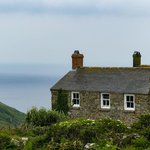
Walk a lane near you every few days for a year and you will notice things no photograph quite captures. The first blackthorn blossom in March, thin and white against bare hedges. Cow parsley rising along the verge in May. The sudden heaviness of hawthorn in September, thick with red haws. The morning the ground finally holds a frost and your breath shows.
Try keeping it to one route for a season. A loop of a mile or so, from your door, is ideal. Your attention sharpens when the setting is familiar, because you are no longer working out where you are. You are just watching.
A small notebook helps, though it is not essential. Even a line on your phone calendar — "first swallow", "oak leaves turning" — builds into a record of the year that is entirely your own.
How to make it stick
Habits fail for boring reasons: bad timing, too much effort, no trigger. A few adjustments make a daily walk far more likely to last.
- Anchor it to something you already do. Straight after your morning coffee, or immediately after the school drop-off.
- Walk from your door. If you have to drive to the walk, you will skip it on tired days.
- Set a low bar. Decide that ten minutes counts. On grim days, ten minutes is enough.
- Go at the same time. A fixed slot removes the daily negotiation.
- Leave the phone in your pocket. Not in your hand, not on a podcast.
If you miss a day, do not restart the whole project. Just go tomorrow. Consistency beats intensity every time.
Sleep, mood and the evening circuit
Many people find the biggest difference in their sleep. A walk in daylight, particularly in the morning, helps regulate the body clock that decides when you feel alert and when you feel sleepy. An evening walk works differently — it lowers the temperature of the day, separates work from rest, and gives you a gentle transition before bed.
If you are a poor sleeper, try a slow twenty minutes about an hour and a half before you turn in. Nothing strenuous. Just a lane, a few streetlights, and the quieting of the day. Do not check your phone on the way round.
Mood tends to follow. Not dramatically, and not on every walk, but over weeks. There is a reason so many people describe their daily walk as the thing that keeps them level rather than the thing that makes them happy.
Weather, kit and the British compromise
The British weather is not an obstacle if you dress for it. You will walk in drizzle; you will walk in a cold wind; occasionally you will walk in a proper downpour and enjoy it more than you expected.
A workable kit list is short:
- Waterproof jacket with a hood, not an umbrella.
- Footwear that copes with mud — wellies or walking shoes, depending on the route.
- A warm layer you can take off, because you will warm up quickly.
- A small torch in winter, for the last stretch home.
Stick to public footpaths and bridleways where you know the ground, and give livestock a wide berth, especially in fields with cows and calves. Close gates behind you. Take nothing but photographs of the frost.
The quiet power of a daily walk is not that it transforms your life overnight. It is that it turns up, day after day, in all weathers, and gradually gives you back your attention, your sleep and your sense of the year turning. All you have to do is put your boots on and go.



John Doe
14 January, 2022Having no content in post should have adverse..
Chauffina Carr
10 April, 2022We use these tests all time! Killer stuff!
Jim Séchen
16 July, 2022Thanks for all the comments, everyone!