

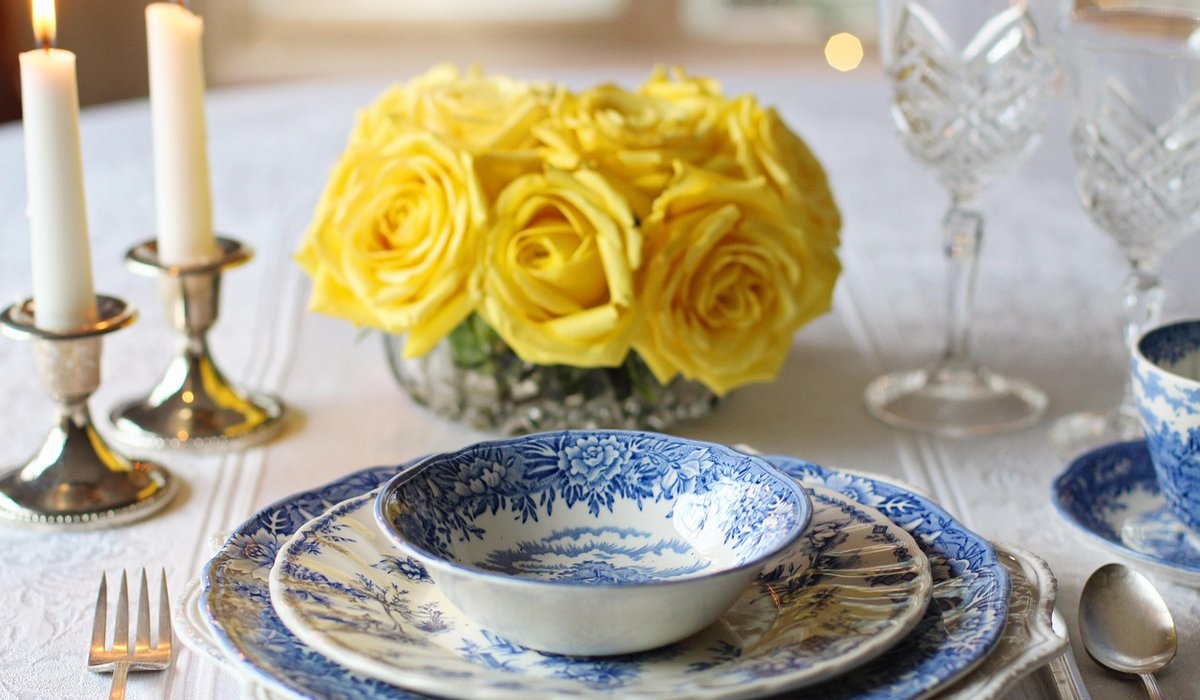
Begin with the Map on Your Kitchen Table
Slow living begins with a simple shift: instead of driving somewhere famous for a walk, you look at what is already beneath your feet. A detailed local map — the kind that shows field boundaries, footpaths, and the shape of the land — is the most useful tool you can own. Most villages have a parish map pinned up in the church porch or village hall, and many local libraries keep a reference copy. If you prefer your own, a 1:25,000 scale map reveals public footpaths (usually marked with green dashes), bridleways, and quiet lanes. Look for loops that start and end near your home, and note where the contour lines bunch together: that tells you where the hills are before you meet them in person.
Read the Parish Notices — and Ask a Local
The best advice is often handwritten and slightly faded. Parish noticeboards, the parish magazine, and the postcard rack in the village shop are goldmines for walkers. You might find a laminated route card for a two-mile circular walk, a note about a footbridge closed for repairs, or an invitation to a Sunday morning stroll. When you do meet a fellow walker, ask a specific question: “Is the path past the old mill still muddy in April?” or “Does the stile by the churchyard have a dog gate?” People love to share their knowledge, and you will learn which fields hold cattle in summer, where the bluebells appear first, and which lane is a sun trap in winter.
Match the Route to Your Fitness and Free Time
Slow living is not about conquering distance; it is about choosing a walk that fits the day you actually have. If you have twenty minutes before dusk, a simple loop around the recreation ground and the churchyard will do. If you have a free afternoon, a four-mile figure-of-eight through two villages might be perfect. Be honest about your fitness. A flat, well-drained bridleway suits a gentle amble; a route with three steep fields and a rickety stile is better saved for when you are feeling strong. Start shorter than you think you need. You can always add a loop next time. The point is to return home feeling restored, not exhausted.
The Quiet Art of the Countryside Code
Peaceful walks depend on small courtesies. Close every gate behind you, even if it was open when you arrived. Keep dogs under close control around livestock, and put them on a lead near sheep and cattle. Stay on the public right of way across farmland, and give way to horses and cyclists with a friendly nod. If you meet a farmer, a simple “Morning” goes a long way. Take only photographs, leave only footprints — and take your litter home, including fruit peel and crumbs. These habits keep the paths open and the welcome warm for everyone.
Let the Seasons Set the Pace
The British countryside changes weekly, and slow walking is the best way to notice. In early spring, listen for the first chiffchaff in the hedgerow. In high summer, walk at dawn or after tea to avoid the heat and the crowds. Autumn brings fungi, falling leaves, and a low golden light that makes even a familiar lane feel new. Winter walks are quieter still: bare trees reveal the shape of the land, and a frosty field sparkles underfoot. Try the same short route in three different months. You will be surprised how much you missed the first time.
Practical Comforts for a Gentle Ramble
You do not need expensive gear, but a few sensible items make a difference. Wear footwear with a decent grip — mud is a British speciality. Carry a lightweight waterproof, a small bottle of water, and perhaps a folded map in a clear plastic wallet. A walking stick can help on uneven ground or stiles. Tell someone where you are going and when you expect to be back, especially if you are walking alone. And keep your phone charged, but resist the urge to scroll: this is your time to listen to the wind, the woodpecker, and your own slow breathing. The village path is waiting.



John Doe
14 January, 2022Having no content in post should have adverse..
Chauffina Carr
10 April, 2022We use these tests all time! Killer stuff!
Jim Séchen
16 July, 2022Thanks for all the comments, everyone!