


Why the British countryside is good medicine
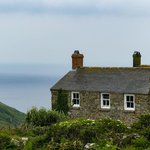
There is a particular quiet that settles over a country lane on a damp Tuesday morning in late autumn. The hedge drips. A robin ticks from somewhere deep in the hawthorn. Nothing much happens, and that is precisely the point. Slow living is not a lifestyle brand or a retreat you have to book; in the British countryside it is simply the practice of letting the pace of the natural world set yours. And a growing body of research suggests that this gentleness, repeated in small doses, does real work on our mood, our sleep and our sense of perspective.
The good news is that you do not need a cottage in the Cotswolds or a fortnight off work. Ten minutes on a footpath between the school drop-off and the supermarket can do more for a frayed nervous system than you might expect.
What happens when you slow down outdoors
When you walk beneath trees, several things happen at once. Your pace drops, your breathing lengthens, and your attention shifts from screens to the sensory world - the smell of leaf mould, the crunch of beech mast, the sound of water moving over stones. This shift is what many describe as loosening the mind's grip: you stop rehearsing tomorrow's meeting and start noticing the shape of a single leaf.
Birdsong appears to be especially soothing. A dawn chorus, or a blackbird singing from a chimney pot at dusk, gives the brain a gentle, predictable signal of safety - nothing here is hunting, the world is as it should be. Even a few minutes of listening can ease tension in the shoulders and jaw. Trees seem to help too: the sight of a green canopy, and the airborne compounds woodland releases, have been linked with lower stress hormones and calmer heart rates. You do not need to understand the biology to benefit from it. You just need to stand still for a moment.
Five-minute habits that fit around the kettle
- Step outside first thing. Before the phone, before the news, stand at the back door for two minutes and listen. Try to name three sounds.
- Take one cup of tea outdoors. Sit rather than walk. Let the drink go slightly cold.
- Turn a walk into a noticing walk. Choose one thing - lichen, bird calls, the direction of the wind - and follow it for the whole route.
- Use the journeys you already make. Park ten minutes further away, or get off a stop early, and take the slower path home.
- Keep a small notebook. One line a day: the weather, a bird, a colour in the hedge.
The aim is not to add another task to an already full list. It is to attach the habit to something you already do, so it needs no willpower and no special equipment.
Making the most of the seasons
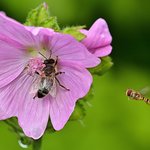
The British countryside offers a different invitation every month, and each one is a reminder that nothing stays the same. In spring the woods fill with bluebells and the first chiffchaffs arrive. In summer the hedgerows hum with bees and the evenings stay light long enough for a slow loop around a field. Autumn brings fungi, hips and haws, and the smell of damp earth. Winter strips the trees back so you can see the shape of the land, and the hush after a frost is one of the most calming sounds we have.
The colder months can be the hardest for mood, so treat daylight as medicine. Aim to be outside within an hour of waking, even for ten minutes, and keep walking through the greyest weeks rather than waiting for a bright day that may not come.
Bringing the outside in
Some days the weather, an illness or a difficult stretch will keep you indoors. You can still borrow from nature.
- Open a window and simply listen for a few minutes, even in the rain.
- Keep something growing - a pot of thyme on the sill, a bowl of hyacinth bulbs, a jug of bare branches.
- Watch the sky rather than a screen while you drink your coffee.
- Record birdsong on a walk and play it back on a stressful afternoon.
- Look after a bird feeder. The comings and goings of blue tits and goldfinches are quietly absorbing.
Keeping it gentle
None of this works as a performance. You do not need to identify every bird, walk ten thousand steps or photograph the result. You simply need to be outside, at a human pace, often enough for it to become ordinary.
Start smaller than feels impressive. Two minutes at the back door tomorrow morning. A slow look at one tree on the way to the bus stop. If you miss a day, the blackbird will still be there the next morning, singing from the same branch. The countryside is not keeping score - and that, in the end, may be its greatest gift to a tired mind.



John Doe
14 January, 2022Having no content in post should have adverse..
Chauffina Carr
10 April, 2022We use these tests all time! Killer stuff!
Jim Séchen
16 July, 2022Thanks for all the comments, everyone!